
The world of logistics is no longer just about moving boxes from Point A to Point B. It's a high-tech, data-driven ecosystem where efficiency, visibility, and sustainability are paramount. As we navigate 2025, several powerful trends are reshaping the industry, and businesses that fail to adapt risk being left behind.
Is your supply chain ready for the future? Here are the five key logistics trends you need to have on your radar.
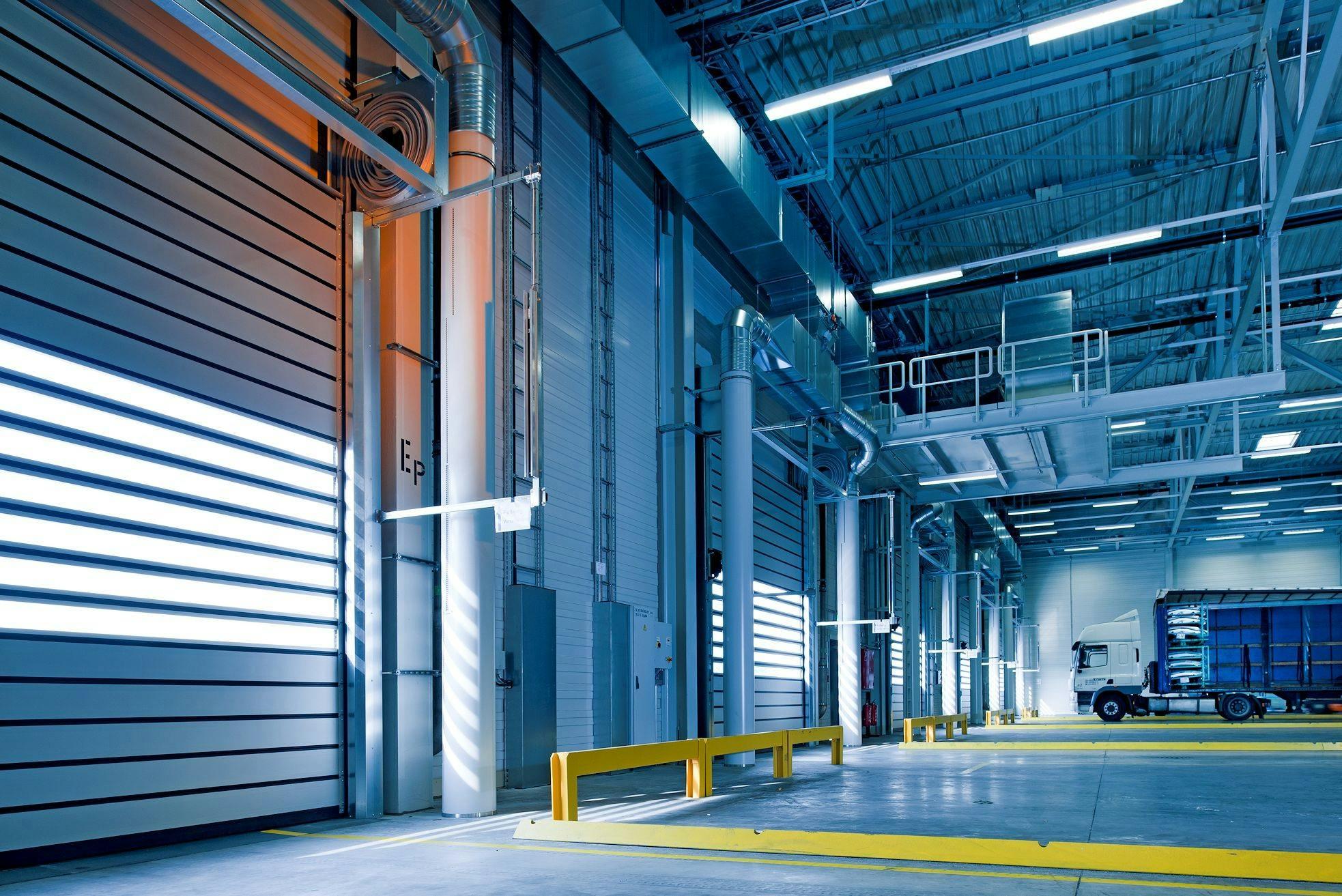
1. Hyper-Automation and Robotics
Forget clunky, repetitive tasks. The modern warehouse is becoming a hub of intelligent automation. We're seeing a surge in the deployment of:
- Autonomous Mobile Robots (AMRs) navigate warehouse floors to transport goods, reducing human travel time and increasing picking efficiency.
- Automated Storage and Retrieval Systems (AS/RS) automatically store and retrieve items, maximizing warehouse space and minimizing errors.
- AI-Powered Sorting can sort packages at incredible speeds and with near-perfect accuracy.
The Payoff: Increased speed, reduced labor costs, 24/7 operational capability, and a significant drop in fulfillment errors.
2. Predictive Analytics and AI-Driven Decisions
Data is the new oil, and in logistics, it's fueling a revolution. Instead of reacting to disruptions, leading logistics providers are now predicting them. By analyzing vast datasets—including historical shipping patterns, weather forecasts, traffic data, and consumer demand signals—Artificial Intelligence (AI) can:
- Forecast demand with incredible accuracy, preventing stockouts and overstocking.
- Predict potential delays in transit and automatically re-route shipments.
- Optimize inventory placement across multiple warehouses to reduce shipping times and costs.
The Payoff: A proactive, resilient supply chain that anticipates problems before they happen, leading to significant cost savings and improved customer satisfaction.
3. The Rise of Green Logistics
Sustainability is no longer a buzzword; it's a core business imperative. Consumers and regulators alike are demanding more environmentally friendly supply chains. Key initiatives include:
- Electric Vehicle (EV) Fleets: Transitioning last-mile and short-haul delivery vehicles to electric to cut carbon emissions.
- Optimized Routing: Using AI to create the most fuel-efficient delivery routes, reducing mileage and consumption.
- Sustainable Packaging: Utilizing recycled, biodegradable, or right-sized packaging to minimize waste.
The Payoff: Reduced carbon footprint, improved brand reputation, and long-term cost savings on fuel and materials.
4. Unprecedented Supply Chain Visibility
"Where is my order?" is a question that customers now expect to be answered in real-time. Advanced tracking technology is making this possible. Internet of Things (IoT) sensors, GPS, and blockchain technology are converging to create a single, transparent view of a shipment's journey from the warehouse shelf to the customer's doorstep. For sensitive goods, these sensors can even monitor temperature, humidity, and shock.
The Payoff: Enhanced security, reduced theft, improved compliance (especially for pharmaceuticals and food), and a superior customer experience.
5. The Last-Mile Evolution
With the continued boom of e-commerce, the final step of the delivery process—the "last mile"—remains the most expensive and complex. Innovation is key. We are seeing a diversification of delivery methods, including:
- Micro-fulfillment Centers: Small, localized warehouses set up in urban areas to enable rapid delivery.
- Alternative Delivery Options: Locker systems, crowdsourced delivery platforms, and partnerships with local retailers for click-and-collect services.
- Autonomous Delivery: While still emerging, drones and sidewalk delivery bots are being successfully trialed in many regions.
The Payoff: Faster delivery times, increased customer convenience, and more efficient, cost-effective urban logistics.
Is Your Logistics Partner Keeping Pace?
These trends aren't science fiction; they are actively being implemented by leading logistics providers to deliver smarter, faster, and more sustainable solutions. If your current logistics strategy isn't leveraging these innovations, you're missing a critical opportunity to optimize your operations and delight your customers.
Ready to future-proof your supply chain? Contact our team today for a consultation on how our technology-driven logistics solutions can give your business a competitive edge.